Adrift in the Black Sea: The Unseen Threat from War's Spillage
- Palaemon Intelligence Team
- Dec 31, 2025
- 3 min read
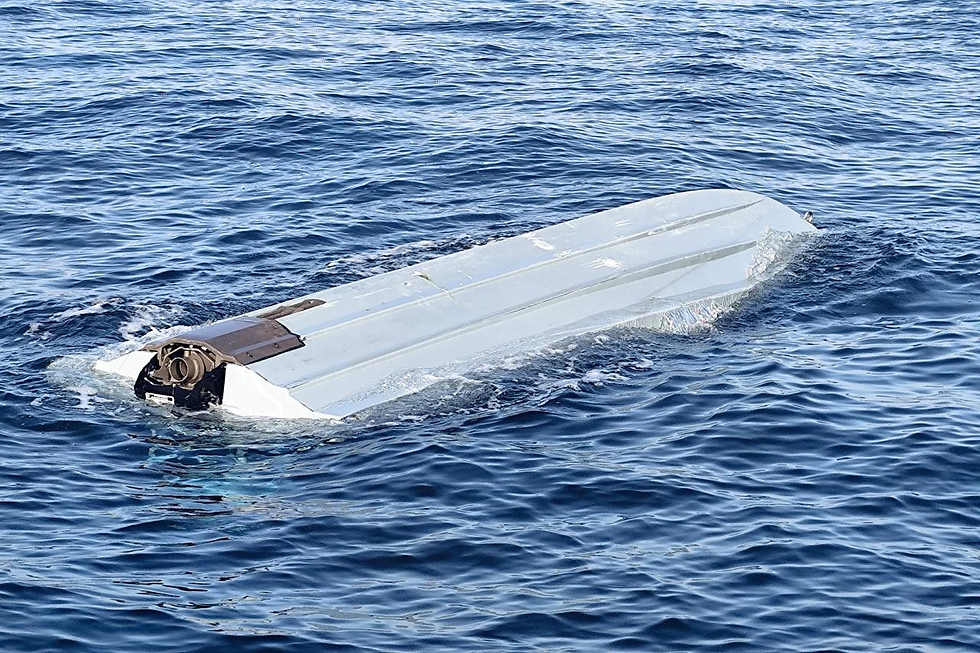
Two adrift USVs have been reported in the Black Sea within the past 2 months, marking a new maritime threat within the region
A Dangerous Pattern

Since early 2022, drifting naval devices have become an alarming byproduct of the Russo-Ukrainian war. What began with floating mines has evolved into a broader threat with Ukraine’s increasing use of uncrewed surface vessels (USVs). These potentially explosive-laden drones have formed a key part of Ukraine’s asymmetric naval strategy, forcing Russia to pull key assets away from Crimea.
As Ukraine ramps up production of the Magura V5 and Sea Baby USVs, the number of incidents involving adrift drones has risen. In these past months, the Black Sea has seen multiple events:
29 September 2025 – Çarşıbaşı, Turkey:
Fishermen in the Trabzon province discovered a Magura USV containing 300 kilograms of explosives. It had entered Turkish waters, posing a severe risk to coastal infrastructure and maritime traffic.
7 October 2025 – Hopa, Turkey:
Another adrift Magura USV was spotted near the Georgian border. After confirmation of explosives onboard a naval team carried out a controlled detonation, narrowly avoiding potential casualties.
A New Maritime Hazard
Adrift USVs are a serious danger to both civilian and military vessels in the region.
Explosive Payload: Many USVs are built to deliver large explosive charges. Even if damaged or disabled, the payload may still be live, turning a derelict drone into a floating mine. In rough seas or low visibility, a half-submerged drone could be invisible until it's too late.
Navigation Risk: USVs are typically low-profile, often dark, and hard to detect by radar. In conditions like fog, storms, or nighttime operations, they can become nearly impossible to see, posing a collision risk.
Environmental Concerns: These drones can contain fuel, lithium-ion batteries, and other components that, if damaged or sunk, could pollute the sea.
Salvage Danger: Though maritime law encourages salvaging derelict vessels, these devices are potentially armed and extremely unsafe to approach without EOD specialists.
What's Behind the Drift?
Several factors contribute to the increasing number of drifting USVs in the Black Sea:
Electronic Warfare (EW): Both Russia and Ukraine use GPS and communication jamming tactics. If a USV loses its signal due to jamming, it can go adrift instantly.
System Failures: These are rapidly developed, prototype platforms. Software glitches, propulsion problems, or battery failures can all cause loss of control.
Loss of Endurance: Long-range operations push drones to the limit. If they run out of fuel or suffer mechanical issues, they become dead in the water and subject to unpredictable currents.
Battle Damage: If intercepted or partially destroyed, a USV might not sink. Instead, it may continue drifting, still armed and hazardous.
Mitigating the Threat

Maritime operators must now treat adrift USVs as a real and present danger. Here's how:
Heightened Vigilance: Maintain extra lookouts, especially in poor visibility. Radar settings should be optimized to detect small surface objects, though limitations remain.
Information Sharing: Stay updated on advisories, NAVTEX alerts, and intelligence reports. Share sightings and risk information within your fleet and industry channels.
Do Not Approach: If you spot a suspicious object, keep a safe distance. Immediately report GPS coordinates, appearance, and drift direction to maritime authorities and company ops centers.
Route Planning: Reroute when possible to avoid known USV activity zones. Include USV threats in your voyage risk assessments.
Crew Briefings: Regularly educate crews about USVs, especially the danger of mistaking them for debris. Emphasize the importance of non-contact procedures and reporting protocols.
Conclusion
The recent incidents in Bulgaria and Türkiye are a warning: weapons designed for military use are becoming indiscriminate maritime hazards. As the Black Sea becomes more unpredictable, the risk to commercial shipping, coastal communities, and innocent lives grows.
Adrift USVs are not just battlefield debris. They are high-lethality, no-warning threats. Mariners must treat them as such and adopt new vigilance standards to operate safely in these contested waters.
In today’s Black Sea, staying alert isn’t optional. It’s survival.

Don't let your vessels become the next target in these compromised waters. While traditional security measures failed to detect this decade-long operation, Palaemon's anti-piracy barriers are used by international majors, major container shipping lines, reefers, tankers and many others. You can join them. Protect your cargo, crew, and reputation with proven solutions.
RENT ANTI-PIRACY BARRIERS
Available to rent for short or long-term transits.
Or email


Comments