top of page

*Based on IMO Data
UNDERSTANDING THE DATA
REPORTED PIRACY INCIDENTS
Confirmed incidents including boardings, hijackings, attempted boardings and armed robbery against vessels.
SUSPECIOUS ACTIVITY
Unconfirmed approaches loitering, or potentially hostile behaviour reported in high-risk areas.
MARITIME SECURITY ALERTS
Offical advisories, warnings and security notifications from authorities and regional maritime organisations.
PIRACY HOTSPOTS
GULF OF ADEN
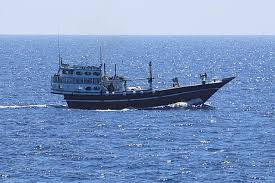
Historically dangerous, had a period of relative inactivity with a recent reemergence. Pirates can conduct deep-sea operations from Dhows, and attack from small high-speed skiffs.
Typically pirates in this region conduct their business by hijacking the vessel and holding that and the crew for ransom.
Pirates in the Gulf of Aden are heavily armed with automatric weapons, heavy weapons and RPG's.

GULF OF GUINEA
Pirate gangs operate from numerous coastal states. Local navies have tried various initiatives to curb pirate activity, with varying levels of success.
The problem remains persistent.
The current modus operandi is for pirates to temporarily hijack a vessel in order to kidnap the crew, who are typically transported into an inland location and held for ransom.
Pirates in the Gulf of Guinea are heavily armed with semi-automatic weapons and some heavy weapons.

SOUTHEAST ASIA
Southeast Asia is one of the most active hotspots in the world.
Whilst not formally recognised as 'piracy' due to local legislative and political policies, vessels transiting the Singapore Straits and the Sulu Seas have frequently been attacked.
Pirates here are typically targeting specific items/parts that have a high resale value, and crew valuables.
Pirates in this region are usually armed with long knives, with an increase in reported incidents of firearms being used.

WHY THIS MATTERS
FOR VESSEL OPERATORS
Maritime piracy remains a persistent threat to commercial shipping.
Boarding attempts continue to rely on speed, ladders and vulnerable access points along vessel perimeters.
Understanding where incidents occur is the first step, Implementing effective physical protection measures is the second.


bottom of page