


Stop unauthorised boarding with engineered vessel protection

Rental anti-piracy barriers. Hardware-as-a-service. Installed by crew. No ownership burden.
- Installed by the crew
- Delivered globally
- Suitable for all vessel types

Fitted by the crew. Ready before the threat.
Pirates board with speed, ladders and opportunity
Small, fast boats close the distance quickly. Simple ladders and hooks overcome the freeboard. Attackers look for the gap in a ship's perimeter and use it.
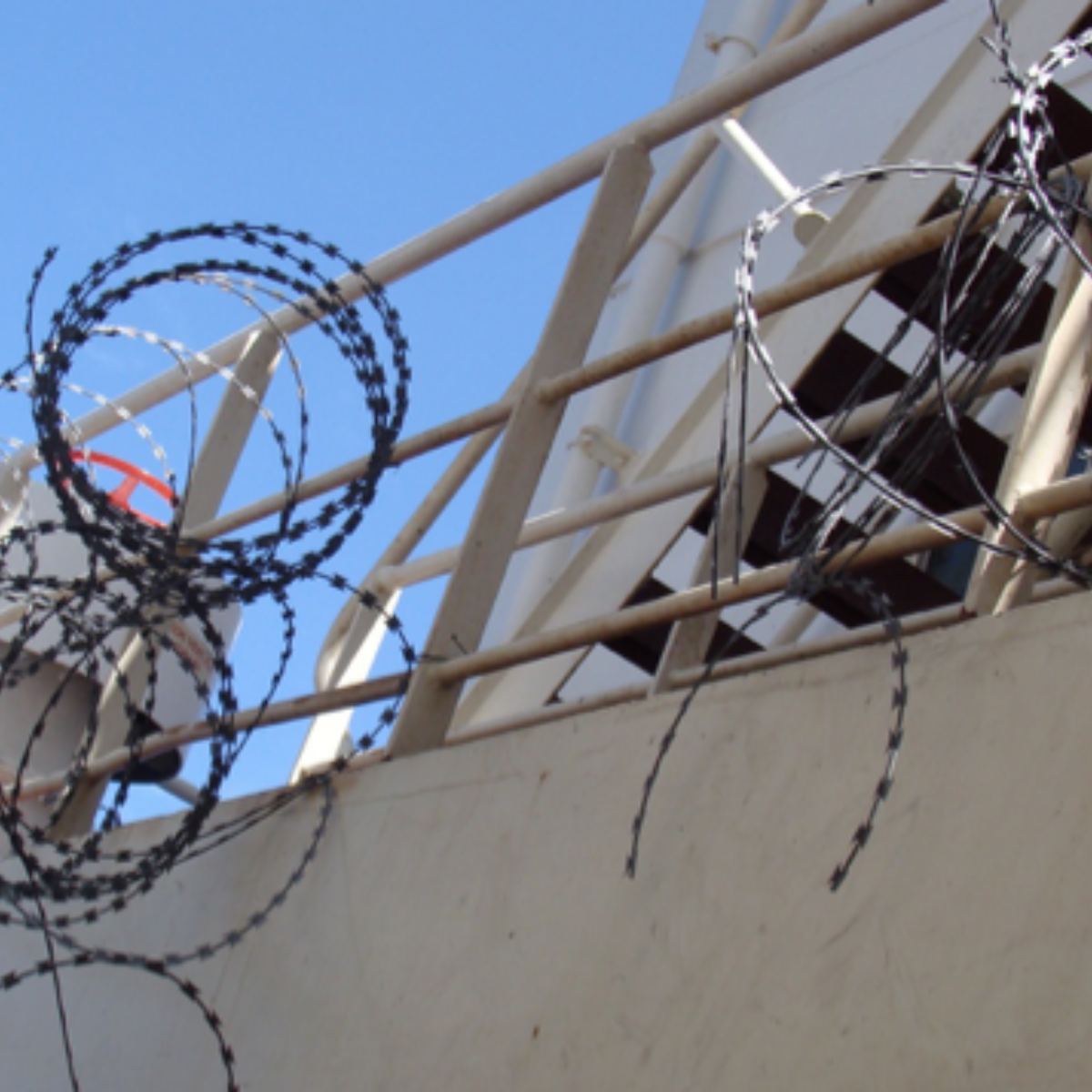
Razor wire was never designed for this. It can be cut or bypassed, it is rigged differently on every voyage, and it puts the crew at risk every time they handle it.
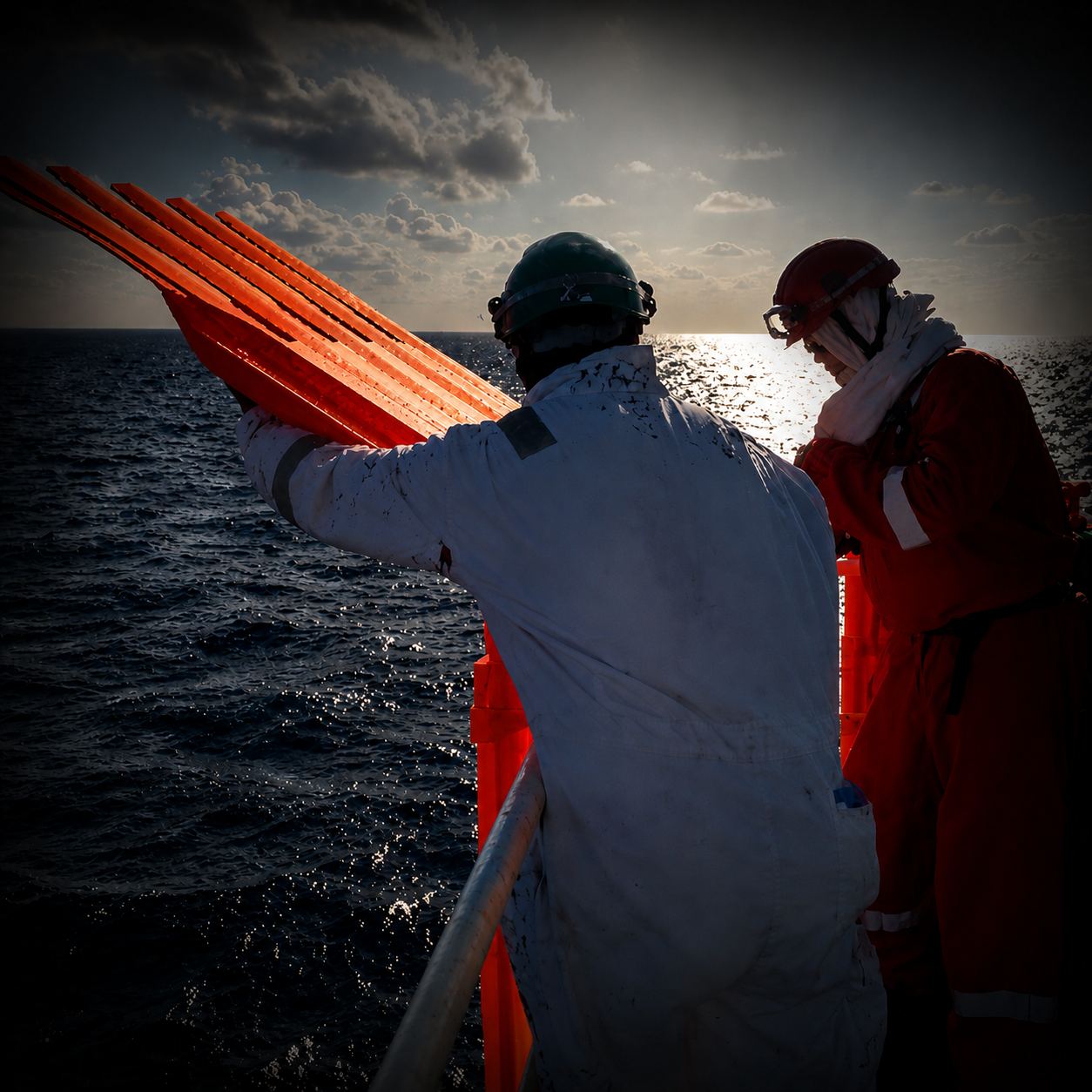
Palaemon barriers are engineered to stop boarding, not just delay it. A bottom panel straps to the guard rail and an overhanging top panel denies a ladder or hook anything to hold.
Proven in real-world operations
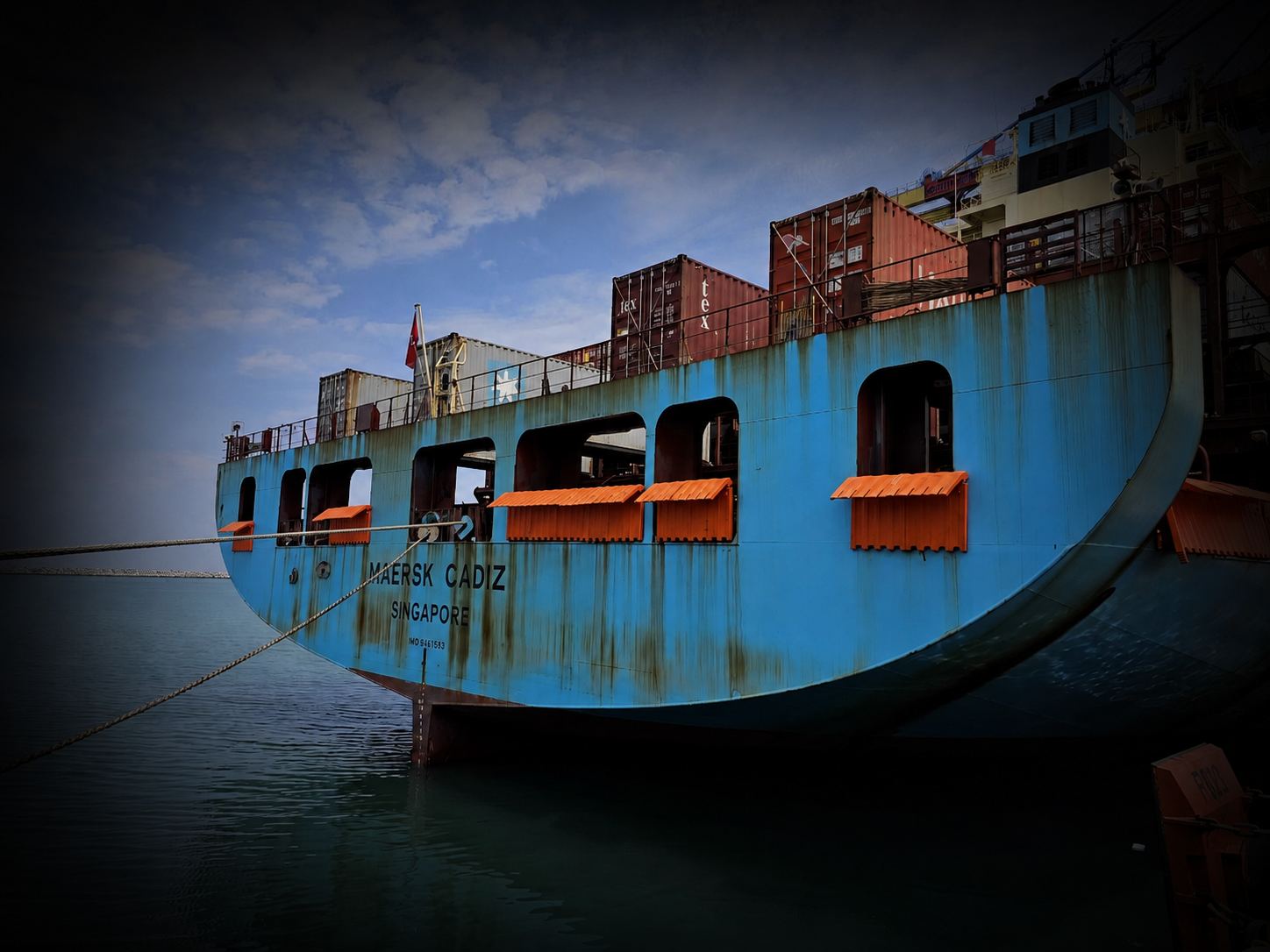
Deployed across vessels operated by leading global operators and majors, including Maersk and Shell, on LNG carriers, tankers, container ships and offshore support vessels.
From improvised protection to a fleet standard
Context. A technical superintendent responsible for an LNG fleet wanted to move away from improvised ship protection and set one consistent, engineered standard across the fleet. Previous options meant buying equipment outright, which made scaling across the fleet difficult and left the fleet owning and replacing kit for the long term.
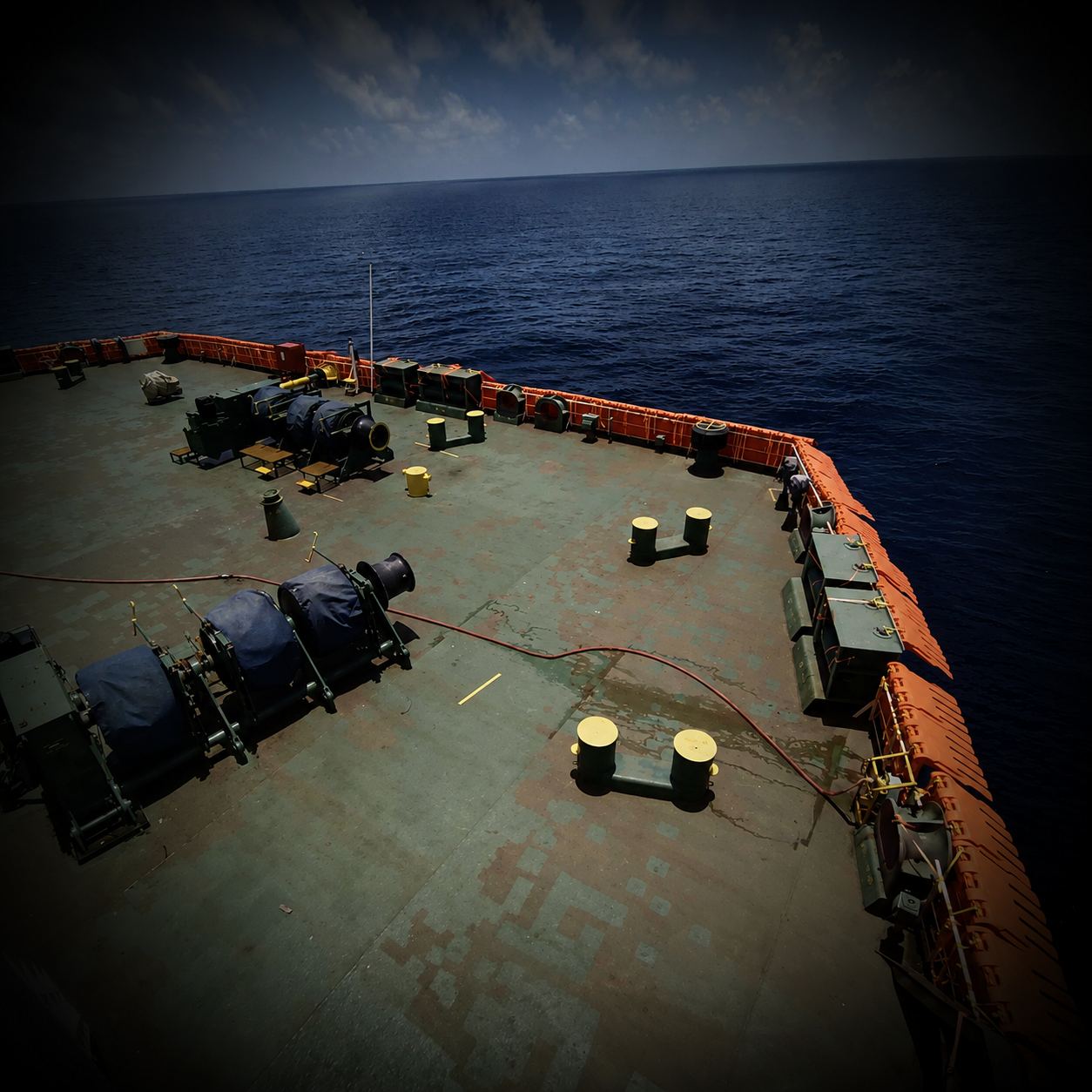
Approach. Palaemon barriers were introduced as a service, starting with a lead vessel to prove the operational fit and gather crew feedback.
Deployment. Barriers were delivered to the vessel and installed by the onboard crew, with no specialist support. Installation on standard railings was straightforward.
Operational notes. Installation around mooring chocks presented some alignment constraints, though this did not prevent effective coverage of key areas. That feedback has gone into ongoing design improvements.
Outcome. The system is now deployed across the managed fleet, with active encouragement for adoption across partner and chartered vessels.
“The barriers are lightweight, robust, and well designed for their intended purpose.”Crew feedback, LNG carrier
“After the initial installation, the overall process became smooth, streamlined, and time-effective.”Crew feedback, LNG carrier
“Once the crew became familiar with the installation method, the barriers could be installed efficiently and without difficulty.”Crew feedback, LNG carrier
The comparison your superintendent will ask for
| Razor wire | Palaemon barriers | |
|---|---|---|
| Crew safety | BMP MS calls for PPE and wire hooks to handle it. Cuts are a known risk. | No sharp edges. Lightweight panels, fitted with ratchet straps. |
| Rigging | Rigged differently on every voyage and every ship. | About one minute per metre, the same way every time. |
| Between transits | Bulky, hazardous coils to stow, or scrap and resupply. | Stays rigged or stows flat on board: 12 sets to a pallet. |
| Cost | Bought per metre, per supply, plus delivery to ship and disposal. | Rented per set. About the same annual cost per vessel. |
Stows flat, ready for the next transit
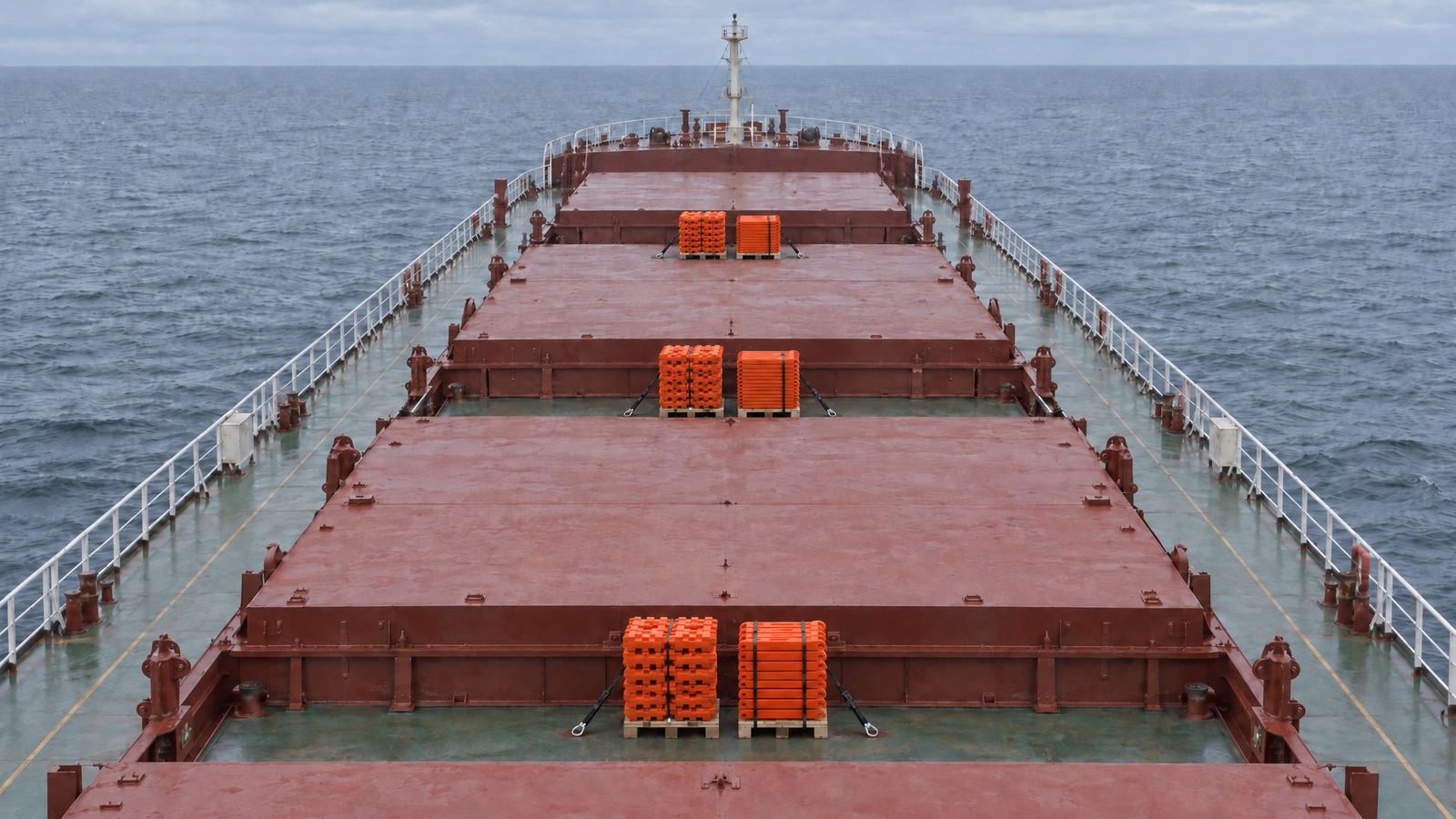
Most operators keep it on board, rigged or stowed flat, ready for the next transit. Prefer it ashore? We can store it for you, though repeated port deliveries usually add more cost and admin than they save.
One pallet (1000 × 1300 mm, 1.3 m² of deck) holds 12 sets, a mixed pallet of top and bottom panels, and each set covers 1 m of rail. Protect where it matters, not every metre.
A 3-month trial on one ship
Size it
Use the calculator, or send us the vessel's GA drawing. We confirm coverage and pallets.
Deliver it
From the nearest hub, at berth or via OPL, in line with your schedule.
Fit it
Your crew fits it with simple tools and our guidance. No specialists.
Judge it
Three months in service, with crew feedback. Then decide.
Know the threat on your route
Weekly incident reports, three regional threat centres and a live piracy heat map, written for CSOs, DPAs and superintendents.
Get the weekly threat report
Every week: incidents, regional threat assessments and what they mean for your transits. Free. Unsubscribe at any time.
You're on the list. The next weekly report will arrive by email. In the meantime, the heat map shows this month's incidents.
Frequently asked
How quickly can barriers be delivered?
Barriers can be delivered and deployed in up to 72 hours, depending on vessel schedule and regional availability.
Does installation need specialists?
No. The onboard crew fits the barriers with standard ship equipment and our guidance, at approximately one minute per metre.
Are the barriers aligned with BMP MS?
The deployment approach supports vessel hardening measures consistent with BMP Maritime Security (BMP MS) guidance and wider maritime security planning.
Do we have to buy anything?
No. Barriers are rented as a service, for single transits, rotating schedules or fleet-wide programmes. Purchase options are available.