Strait of Hormuz: Two Attacks Under a Ceasefire
On 22 April, two commercial vessels were attacked in close succession in the Strait of Hormuz, highlighting a pattern of deliberate, controlled escalation. Read the full analysis below.
Two Ships Attacked in Hormuz
The first incident occurred approximately 15 nautical miles off the Musandam Peninsula, where a container ship was approached by an IRGC-linked gunboat. Notably, no communication was initiated via VHF before the gunboat opened fire, causing structural damage to the vessel’s bridge. According to Sky News, the ships are the MSC Francesca and Epaminondas. Despite the severity of the attack, no injuries were reported.
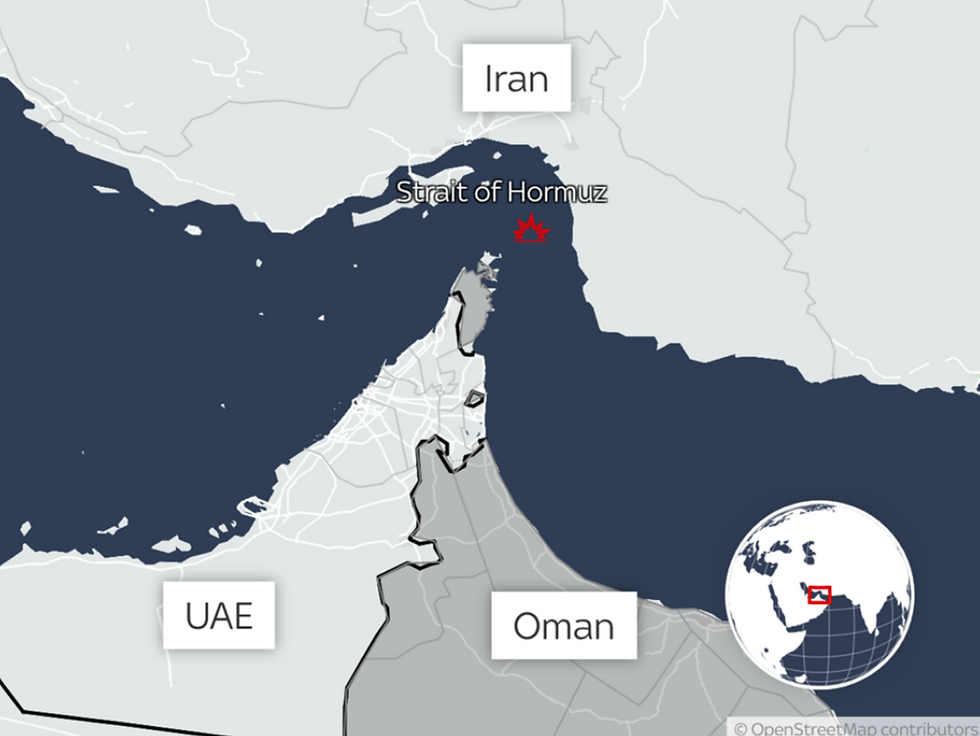
Roughly two hours later, a second vessel reported being fired upon and subsequently halted in the water. Unlike the first incident, this attack resulted in no reported damage. However, the sequencing and proximity of the two events suggest coordination rather than coincidence.

An important operational detail is that both vessels were transiting with their AIS systems switched off and only activated them during the incidents, reportedly under IRGC direction. This indicates a level of control over the encounter environment, implying that the attacks were not indiscriminate but structured interactions intended to send a calibrated signal.
The Wider Contexts: US boards Blacklisted Tanker Tifani
These incidents must be understood within the context of an ongoing U.S. maritime blockade targeting Iranian-linked shipping. Tehran has explicitly linked its actions in the Strait to these restrictions, stating that the waterway will remain under “strict control” until freedom of navigation for Iranian vessels is restored.
Find this Interesting?
Follow us on LinkedIn for the latest updates.
At the same time, U.S. enforcement has expanded beyond the Gulf. On 21 April, U.S. forces boarded the tanker Tifani in the Indian Ocean under a right-of-visit interdiction, citing its involvement in sanction-evasion through ship-to-ship transfers of Iranian oil. The vessel had been designated as stateless and previously blacklisted, reflecting a broader strategy of targeting Iran’s “shadow fleet” globally.
This dynamic, with localized Iranian enforcement in the Strait and broader U.S. involvement at sea, creates a layered maritime confrontation. Each side is operating within legal and operational frameworks it considers legitimate, but the interaction between these frameworks generates friction at multiple points across the maritime domain.
Regarding the Ceasefire
The attacks occurred in parallel with a formal ceasefire extension announced by U.S. President Donald Trump, intended to allow further negotiations with Iran, given the "fractured nature" of its government. However, the extension did not include any rollback of the U.S. blockade, which Iran continues to characterize as an act of war.

This is critical for interpreting the Strait incidents. The ceasefire appears to apply narrowly to large-scale military operations, while maritime enforcement activities continue largely uninterrupted. As a result, the operational environment in key transit routes like the Strait of Hormuz remains active, even as diplomatic processes are nominally underway. Iranian responses reinforce this interpretation. Officials have framed the ceasefire extension as lacking substantive value, suggesting it does not alter the underlying strategic conditions driving their actions.

Don't let your vessels become statistics in the next wave of maritime incidents. Contact Palaemon Maritime today for a personalized pre-voyage risk assessment and learn the specific risks to your vessel, crew and cargo in these dangerous waters.
Contact us today.
The Ceasefire Does Not Safeguard The Strait
The two incidents point to a pattern of controlled escalation within a congested and contested maritime environment. The lack of casualties and the selective use of force suggest that the objective was not to inflict maximum damage, but to assert presence and reinforce deterrent messaging tied to the ongoing blockade.
At the same time, operational conditions in the Strait of Hormuz remain inherently unstable. The UK Maritime Trade Operations has warned of “high levels of activity” in the area, reflecting increased military and paramilitary interaction alongside routine commercial traffic.
This environment is further complicated by the continuation of U.S. interdiction efforts beyond the Strait, including the boarding of vessels linked to Iranian oil transport. These actions extend the area of confrontation while reinforcing the same underlying dispute over maritime access and sanctions enforcement.
Within this context, the ceasefire does not reduce friction at sea. Instead, it delineates the boundaries of direct conflict while leaving maritime enforcement activities largely unaffected. As a result, incidents such as those on 22 April should be understood not as anomalies, but as expected outcomes of an unresolved and actively contested operational setting.


Comments